

Door of the Duomo (cathedral) in Siena, Italy
A recent post by Opreach asked the question, “Where do you find God?” Many of us might first think of churches and cathedrals, places dedicated to God and utilized as gathering spaces to worship God. Over years these buildings can grow in holy significance as we baptize, confirm, marry and bury members of our family and community inside these structures. Candlelight Christmas Eve worship, Easter celebrations and numerous Sunday gatherings add to their spiritual aura.
But the danger of such concentrated focus on a building is that the building can become a box in which to contain or limit God. One must go to church to meet God. Sure, we may believe that God is not limited to the building, but our behavior and practice seems to limit our interaction with God to such spaces. How many of us have other places and practices for prayer, scripture reading or meditation? Do we behave as if God is with us wherever we go?
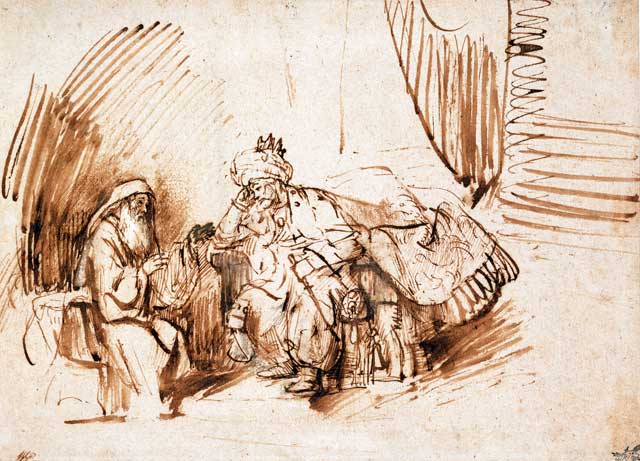
Tomorrow I will be preaching on King David’s desire to build God a temple.
The king said to the prophet Nathan, “See now, I am living in a house of cedar, but the ark of God stays in a tent” (2 Samuel 7:2).
Prior to David, God’s presence had been linked to the tent of meeting, first used by Moses and the Israelites when they wandered in the desert for 40 years. Now at David’s request Nathan gives him his blessing to build God a house, but that night the Lord God redirects Nathan,
Go and tell my servant David: Thus says the Lord: Are you the one to build me a house to live in? I have not lived in a house since the day I brought up the people of Israel from Egypt to this day, but I have been moving about in a tent and a tabernacle. Wherever I have moved about among all the people of Israel, did I ever speak a word with any of the tribal leaders of Israel, whom I commanded to shepherd my people Israel, saying, “Why have you not built me a house of cedar?” (2 Samuel 7:4-7)

Friend Dave celebrating as he ran Twin Cities Marathon
The key phrase in the text is “whenever I have moved about among all the people of Israel.” God tells Nathan, David and us that God will not be restricted. God is on the move among us, whether we are running a marathon, buying groceries, finishing a spreadsheet or washing dishes. Is it possible to create behaviors and practices that help us recognize God’s presence in our daily lives?
Lord Jesus, thank you for the safe harbor of my church, but be my pilot as I sail out to sea each day.
 Pastor John Keller