Category Archives: Uncategorized

The Unshakeable Joy: A Christian Response to Turmoil

Joy. It’s a word we hear often, but do we truly understand its depth, especially in the context of our Christian faith? In a world that often equates happiness with fleeting pleasures and circumstantial successes, it’s crucial to distinguish between happiness and the enduring virtue of joy.

Happiness, as we commonly understand it, is often tied to our circumstances. Our team wins, we get a promotion, the sun shines – these can all bring us moments of happiness. But what happens when the team loses, the job gets stressful, or the clouds roll in? Happiness, being dependent on happenstance, can be fickle.

The joy of the Lord is your strength. Nehemiah 8:10

Joy, on the other hand, is something far more profound. It’s not a fleeting emotion but an abiding sense of God’s loving presence in our lives. It’s a deep-seated assurance that transcends our current circumstances, rooted in our eternal connection with God. This is the kind of joy that the Apostle Paul speaks of so frequently in his letter to the Philippians.

Paul wrote this letter while imprisoned, facing hardship and uncertainty. Yet, his words are filled with exhortations to rejoice. “Rejoice in the Lord always,” he writes, “again I say, rejoice!” (Philippians 4:4). How could Paul, in his difficult situation, speak of joy? Because his joy wasn’t dependent on his circumstances. It was rooted in his unwavering faith in Christ.

This is the essence of Christian joy. It’s not about putting on a fake smile or pretending everything is okay. We feel the pain or anger of the moment. Christian joy is about recognizing God’s constant presence and love, even in the midst of trials. It’s about trusting that God is working all things for our good, even when we can’t see the bigger picture.

Christian joy is a gift, a fruit of the Holy Spirit (Galatians 5:22). It’s cultivated through prayer, immersing ourselves in God’s Word, and fellowship with other believers. It’s a joy that strengthens us, gives us hope, and empowers us to face whatever life throws our way.

This week, let’s reflect on the source of our joy. Is it tied to fleeting circumstances, or is it rooted in the unshakeable love of God? Let’s strive to abide in joy, allowing it to transform our lives and shine brightly in a world that desperately needs it.

Two previous posts on JOY from my blog
Rocks

The Super Bowl of Emotions


Embracing Gentleness: The Strength of Meekness

In a world where loud voices often dominate and confidence is measured by brashness, the Christian value of gentleness stands out as a quiet yet powerful call to action. Philippians 4:5 urges, “Let your gentleness be known to everyone.” This simple yet profound statement challenges us to embody Christ’s love, patience, and humility in a culture that prizes assertiveness and power.

Gentleness is not weakness; it is strength under control. It listens with compassion, speaks with kindness, and responds with grace. Jesus affirmed this in the Sermon on the Mount: “Blessed are the meek, for they will inherit the earth” (Matthew 5:5). In a world that equates success with dominance and boldness, meekness is countercultural. Yet, it is Christ’s way—a way that values humility over pride, listening over speaking, and compassion over confrontation.

Our culture often celebrates forceful speech and unwavering confidence, creating a world where people shout over one another rather than seek understanding. This division makes gentleness a rare and precious gift—one that can heal wounds, build bridges, and restore relationships.

The practice of Centering Prayer offers a powerful antidote to this cultural noise. In my own life, daily quiet sitting with God is transforming me. Centering Prayer teaches us to “return ever so gently to the sacred word” when our minds wander. This practice nurtures a spirit of gentleness, helping us approach our thoughts—not with harshness or self-condemnation, but with patience and grace. Instead of forcing control over our minds, we gently return to God’s presence. In doing so, we cultivate endurance—not just for prayer, but for life’s challenges and relationships.

Gentleness is not just for moments of peace; it sustains us in life’s storms. In a chaotic world, we are called to reflect Christ’s gentleness. When we let our gentleness be known, we demonstrate a power that transcends human strength—a power of peace, love, and grace.

So today, let’s embrace gentleness. Find a spiritual practice, like Centering Prayer, that nurtures a gentle heart. By doing so, we reflect Jesus to the world—one act of kindness at a time.

To learn more about Centering Prayer check out these past blog posts
Centering Down In Patience
Building Resilience Through Contemplative Prayer

Remembering Uncle Jerry: A Life of Gratitude and Guidance

Last Saturday, I had the solemn honor of preaching at the funeral of my Uncle Jerry. More than just an uncle, Henry Jerome Mathre was my Godfather, the Lutheran pastor who officiated at both my wedding and my ordination. Jerry was a pioneer in the field of Clinical Pastoral Education, a mentor to countless clergy and seminarians, guiding them in the delicate art of pastoral care and conversation. In his retirement, he embarked on a different kind of pioneering journey, embracing the freedom of RV life with his wife Nola, long before the age of ubiquitous cell phones and internet. He kept family and friends connected through occasional mailed newsletters, each bearing the title, “Gratitude is the attitude of the latitude of the beatitudes.”

Myself and Uncle Jerry at my ordination November 1984

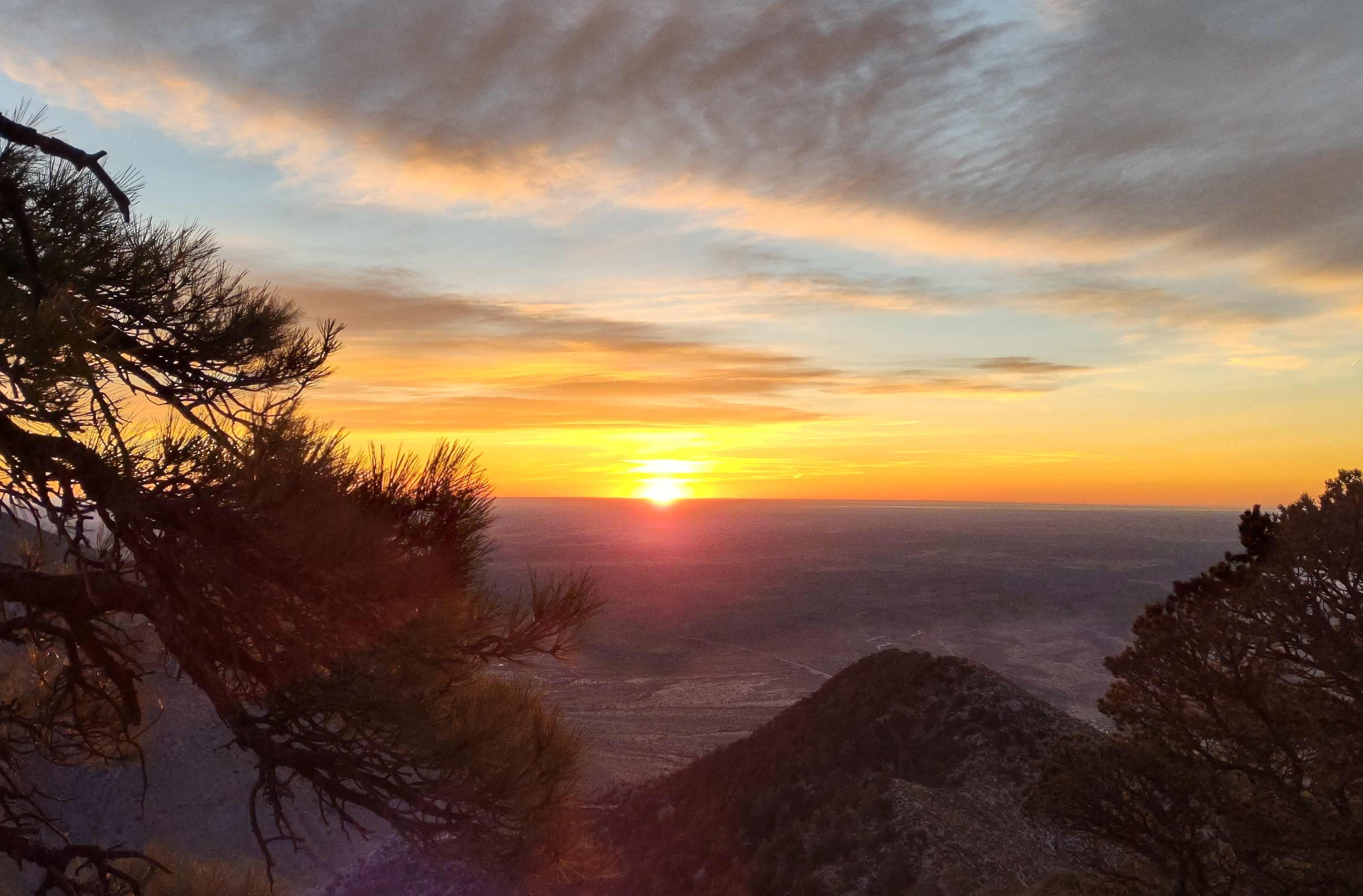
Jerry had a remarkable capacity to find joy in the simplest things: a grandchild nestled in his arms, a rare bird at his feeder, or a breathtaking sunset painting the sky. His gentle, ever-present smile mirrored this innate gratitude. An early adopter of digital photography, he’d always include a snapshot or two of his “latitudes.” He journeyed from Minnesota’s summer embrace, spending time with his children and grandchildren, to the warmth of the Texas Gulf Coast each winter. His life, a testament to God’s grace, exemplified the beatitudes; he found wonder and joy in simply being a child of God. For his funeral passage, he chose John 3:16: “For God so loved the world, that he gave his only Son…” This verse reflected his deep, unwavering trust in God’s promises of love and forgiveness.

Though Jerry wasn’t a direct mentor in the traditional sense—I lament the informal pastoral lessons I missed by not spending more time with him—he was a guiding light. He showed me how a pastor could transition successfully from congregational ministry to chaplaincy. And he provided a joyful blueprint for retirement, demonstrating the possibility of living a full life on the open road. I often think of Jerry and Nola’s RV adventures as I embark on my own camping trips through the western United States.

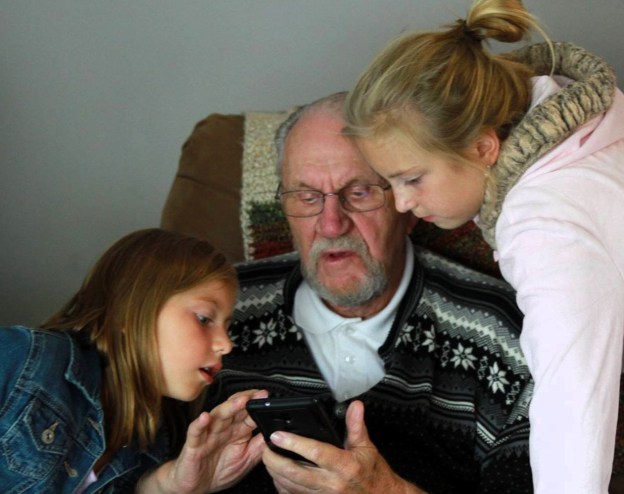
Jerry taught his great-grandkids about the latest technology.

I am profoundly grateful for the moments when our “latitudes” intersected. I hope we all have a similar figure in our lives, an “Uncle Jerry,” whose impact is gentle and subtle, rather than dramatic and forceful. We often celebrate the larger-than-life heroes who rush in, changing our lives in extraordinary ways. In doing so, we risk overlooking the daily faithfulness of God’s more gentle shepherds.

Who is one of God’s children who has offered you gentle guidance and support? How can you express your gratitude for the quiet, consistent impact they’ve had on your life?

Read about another gentle pastor who shaped my life and others. Heroes

Bearing Witness to the Light: A New Year Reflection

New Year’s resolutions often crumble, not from bad intentions, but from a superficial understanding of our motivations. Too frequently, we pursue goals rooted in external pressures – things we “should” do. (I should exercise, lose weight, visit family, pray daily . . . .) True motivation, however, stems from an internal source, a deeper “why” connected to our core values. For me, the question became: Why return to blogging?

The urge to restart was persistent, but my initial reasons felt hollow: requests from others, satisfaction in creating a post, a therapeutic exercise, the possibility of helping someone else. These were not sufficient reason. The real reason only surfaced through prayerful reflection: to bear witness to the light within.

The world can often appear overwhelmingly dark – shadowed by personal challenges, social and political conflict, and global anxieties. This darkness can feel suffocating, threatening to extinguish hope and joy. While we might search for a simple solution, the light is already here. God said “Let there be Light!” in first chapter of the Bible, a power that still resonates today. The Gospel of John echoes this truth, stating, “The light shines in the darkness, and the darkness did not overcome it.”

Therefore, the purpose of this blog is to bear witness to the light of Christ that shines within us. This realization came into focus a couple of weeks ago while blogging on Christmas Eve candlelight worship. And today, as we celebrate Epiphany, we are reminded of the light from a star that guided the wise men to the infant Jesus in Bethlehem. Each post I write this year, while acknowledging the darkness is real, will bear witness to the Light and hope of Christ

We all have our way to bear witness to the light. This blog is my way, a vehicle for reflecting faith, hope, and love into the world.

What motivate you in your endeavors this year?

Deeper Dive from my blog, posted December 2011, Gloom, Doom and Light

Revival of “Pastor John Keller” Blog

I launched my blog, “Pastor John Keller,” in 2010 at the onset of my pastoral journey at Resurrection Lutheran Church in Woodbury, MN. My goal was to find a creative way to engage the Resurrection community as their pastor. My inaugural post, titled “Beginnings,” featured a photo from a backpacking trip I took in 2009.

Backpacking in Washington State
Backpacking in North Cascades of WA – 2009

In that first post, I shared my vision for the blog:
My writing will be somewhat eclectic and random, but my aim is to publish at least three posts each week: one focusing on physical themes, one on mental aspects, and one on spiritual matters. Naturally, there will be overlaps at times. As a Lutheran, I’m committed to approaching this plan with grace.

While I seldom met my ambitious goal of three posts per week, I did manage to write over 500 entries, each intended to illuminate God’s love and light in meaningful ways. After my departure from Resurrection, my posting frequency dwindled, and I only wrote sporadically. However, last week I shared a post titled “Silent Night Holy Light,” which reignited my desire to resume regular writing. Thus, I am excited to announce the revival of my website, pastorjohnkeller.org, with a commitment to post weekly throughout 2025.

(Re)New Blog’s Focus

I contemplated creating a new website and choosing a different name, but the reflections captured in my prior posts are an integral part of my life journey. Each previous post serves as a marker along the path that has led me to this moment—a guide that might assist others in their own spiritual journeys. I plan to refresh and repost some of my older entries, offering new insights. The process of writing and rewriting fosters growth and transformation.

Since I no longer serve a specific congregation as pastor, I hope I can be a pastor/writer for all God’s people. My choice of topics will remain eclectic. While I anticipate revisiting familiar themes such as grace, love, prayer, Bible stories, backpacking, and grandkids, I also intend to explore new subjects like aging, meditation, and contemplation. I welcome your suggestions as well; if there’s a specific topic you believe I should explore, please feel free to reach out and share your thoughts in the comments below. Also consider subscribing for future posts.

Backpacking in High Uintas Wilderness of Utah – 2024

As we look ahead to 2025, what new or renewed path do you envision for yourself?

Silent Night, Holy Light

This past week, David Brooks wrote a column in The New York Times titled The Shock of Faith: It’s Nothing Like I Thought It Would Be. He describes his journey from agnosticism to faith through profound spiritual experiences. His reflections on awe and wonder inspired me to share one of my own, often unveiled on Christmas Eve.


During my pastoral ministry, Christmas Eve meant multiple worship services, complete with special music, stunning decorations—including a towering Christmas tree—familiar hymns, and glowing candles. The evening service, held in the quiet of night, was nearly the same each year: beloved carols, Luke’s account of Jesus’ birth, and a sermon on God dwelling among us. But the true awe came at the end.


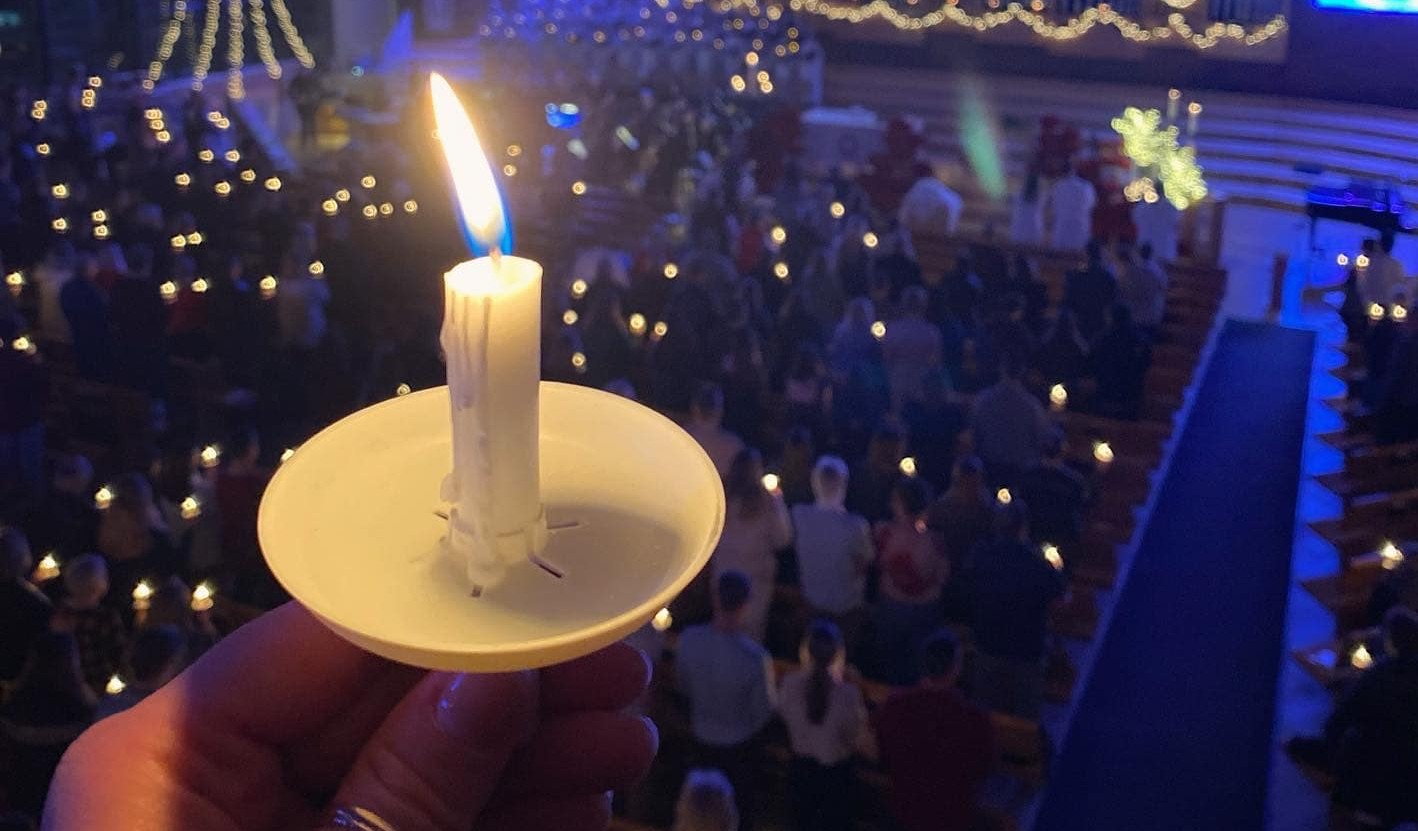
The sanctuary would darken, save for the Christmas tree and altar candles. From the Christ candle, I would light a single flame, passing it to the ushers, who then shared it with the congregation. As I stood at the front, I watched the light spread, illuminating each face. Together, we softly sang Silent Night: “Silent night, holy night, all is calm, all is bright.” Tears often filled my eyes as the glow of God’s light and love radiated through the room—a moment of awe so profound I wished it could last forever. But like all moments, it passed. The song ended, candles were extinguished, and we went home to celebrate Christmas.


Like Brooks, I believe spiritual experiences are a key gateway to the holy. Yet, they are fleeting and unpredictable. By sharing this, I hope I haven’t burdened your Christmas Eve with too much expectation. My growing practice of Centering Prayer (a Christian form of silent meditation based on Matthew 6:6) has taught me to be patient and wait in silent hope. I wait in hope, knowing that God’s presence can be found anywhere: in a darkened church, a triumphant Joy to the World, a sleeping grandchild, or even in the uncertainty of a hospital room.


God enters all of life. Are we open to entering those experiences?

Building Resilience through Contemplative Prayer

Gooseberry Beach along Lake Superior

As winter approaches and the Covid-19 pandemic continues, dread can enter our hearts and minds.  Though the arrival of a Covid-19 vaccine(s) is highly probable it will still be late spring or summer before the necessary percentage of the population has been vaccination to ease the pandemic.   Many of us are suffering from “pandemic fatigue” or even “pandemic anger.”  We want (or demand) that the social restrictions be lifted so we can get back to “normal.”  But humans are not controlling this pandemic – the virus is.

Though at times my faith wavers, I trust that God is greater than the virus and that God will bring forth good from that time of sufferingWe know that all things work together for good to them that love God and are called according to his purpose (Romans 8:28).  I seek to love God  and neighbor in midst of our shared trial.  

As a society we are learning how to live with the virus.  New medical treatments are being developed to treat those afflicted with the virus.  New behaviors, like keeping social distance, wearing face masks, washing hands, and avoiding large indoor crowds help reduce its transmission.   Old practices like phone calls, exercise and prayer help us maintain hope in the midst of the challenging time.  Particularly the spiritual practice of contemplative prayer can be most beneficial in helping one to quiet the reactive thoughts and emotions that can overwhelm us at times.

Contemplative prayer has a rich and broad history within the Christian tradition.  The heart of contemplative prayer is simply being with God.   Various spiritual practices seek to open our hearts and minds to the indwelling love of God.    For example, you can use the power of imagination in order to visualize or experience the stories of the Bible as your own story, such as imagining yourself as one of  the two sons in Jesus parable in Luke 15.  Another is the daily practice of gratitude which invites you to set aside time to give thanks to God for the many blessing you have receive.  These are but two of many spiritual practices.

The contemplative spiritual practice that I have embraced is Centering Prayer. I have written about on my blog here and here.   Centering Prayer is a method designed to prepare our minds and hearts to receive the gift of God’s gracious presence. Centering Prayer is not meant to replace other kinds of prayer; rather it casts a new light on them.  The twenty minutes of silence teaches me to Be still and know that I am God (Psalm 46:10). Centering Prayer is also called the Prayer of Consent, in which we let go of our own thoughts, reactions, desires and feelings, so that God may commune with us.  We let go, to let God.    Learning to let go has strengthen my resilience and patience during this year of Covid-19.

The Guidelines of Centering Prayer

  1. Choose a sacred word or a sacred breath as the symbol of your intention to consent to God’s presence and action within.
  2. Sitting comfortably and with eyes closed, settle briefly and silently introduce the sacred word as the symbol of your consent to God’s presence and action within.
  3. When engaged with your thoughts, return ever-so- gently to the sacred word. Thoughts include body sensations, feelings, images, and reflections.
  4. At the end of the prayer period, remain in silence with eyes closed for a couple of minutes.

 I will be co-teaching a four week Introduction to Centering Prayer (on Zoom), beginning Tuesday, November 10th from 9-10:30am.  Rev. Luna Gebbengreen will be co-facilitating with me. The class is open to anyone who wants to learn how to start their own practice of Centering Prayer.  Further information and registration are at minnesotacontemplativeoutreach.org/enrichment

Exploring My Early Encounters with Race

Screenshot_2020-06-21 Maggie Keller ( maggie e keller) • Instagram photos and videos

I visited George Floyd’s Memorial with my grandson

The murder of George Floyd by a white Minneapolis police officer has knocked me out of my comfortable middle-class status quo bubble.   “I am not a racist – I don’t use offensive language or avoid black people on the street.” I would think to myself,  “I am sorry that African-American or Hispanics or Hmong immigrants have trouble with police or other white people, but I didn’t cause it or participate in it.”

Yet as I pray and reflect more deeply, I can hear the still, small voice of God saying to me, “Yet by ignoring such crimes against your brothers and sisters in Christ, you have ignored me and my suffering”  (Matt 26:31-46).  I confess that I simply want the protests and trouble to go away, that I want the police to find a way to eliminate the one or two or three (or ??) bad police officers from their system and then I can get back to my “normal life.”  But my complacency is major part of our culture’s problem.  I have adapted to the “white privileged” view that there is no systemic racism in America, that I have not been shaped and molded by my white majority status with which I grew up.

My parents did not converse on race concerns.  We might watch the violent Civil Rights marches in Selma, Alabama on the TV news but never discuss it at our kitchen table. I do remember the morning my mother woke me and told me, with sorrow in her voice, that Dr. Martin Luther King had been murdered but she said nothing more.  I could feel her pain, but I also heard her silence and discomfort at  discussing MLK’s death.

I grew up in two small towns in Washington state. The first, Port Angeles, had very few minorities.  My elementary school and my Lutheran church certainly did not have any.  The second, Bremerton, was a naval port and there were a few African-Americans in my High School.  I rarely interacted with them or thought about their perspective.  I attended a Quaker liberal-art college outside of Philadelphia where I encountered many more African-Americans, but only a few as fellow students or professors.  More often they served in roles of custodian, clerk, or conductor that I simply took for granted.  I didn’t understand that these jobs were often the ONLY jobs they could find.  And I rarely stopped to ask, “why is that?”

Two moments in college started to crack my “oblivious white privilege.”  The first was an annual Black Gospel Concert that my white history professor hosted each spring. He invited local black church choirs to come and “raise the roof.’  The choir members not only raised the roof in song but preached about the power of Jesus Christ.  Along with other white Christians, I made a joyful noise during the concert.  One year some students protested outside the concert.  They said they loved the music, but they didn’t need the preaching.  “Their preaching is intolerant towards many religious beliefs here on campus,” they said.

The host professor listened to their complaint, but then tried to help the students understand that the singing and the preaching are part of a greater whole – they cannot be separated.  They were both part of the black church culture.  I also learned that my Black brother and sister in Christ often had to bear criticism and attacks from whites who had never taken the time to understand their unique story.

The other crack was studying the story of John Woolman, an American Quaker just before the American Revolution.  He preached to his fellow Quakers that owning slaves was wrong on a spiritual level.  “They bear the same light of Christ as we bear it.”  At first he was a lone voice crying in the wilderness.  Many Quakers refused to relinquish their slaves because it would mean a huge financial loss.  Woolman was considered a radical and agitator. But he continued to preach his message of love and simplicity and slowly the Quakers “woke up” and sold their slaves and relinquished slavery.  I learned that justice is possible, that change can come, but it takes persistent courage and difficult work.

Part of Woolman’s preaching was asking questions for his listeners to hold and reflect.  The questions do not ask for quick and easy answers, but deeper reflection and prayer.

Questions like:

  • How do I react to the words of “white privilege?” What feelings does the idea provoke in me?  Is it anger, or fear, or guilt, or shame?  Am I willing to listen to these emotions and learn from them?  Am I willing to ask God’s guidance?
  • What was my childhood like regarding race and racism? How did my parents, grandparents, or respected elders talk about it?   How do their perspectives continue to shape my thoughts on racism?

Talking about race is awkward and difficult but also healing and hopeful. God seeks to breathe new life into God’s children, even old white males, like myself.

Learning Patience in an Anxious Time

The novelty of our current stay-at-home routine has worn off.  Though most Americans agree that “social distancing” makes sense for curbing the spread of the Coronavirus, we all yearn to reconnect with our family, friends, and congregation members.  We are tired of being cooped up in our homes, tired of business restrictions, tired of doing everything on line. We desire social touch and social interaction.  We yearn to be back in our church building, singing hymns and drinking coffee with our friends.  We want the pandemic OVER!

But yearning, desires and wants do not always line-up with reality.  We might all wish for the pandemic to end, but the virus will not magically go away on its own.  The vast majority of public health officials agree that the pandemic will ebb and flow over the coming months.  Now I am NOT a scientist and I am not a public health official, but as a pastor I know that the pandemic has caused wide-spread anxiety in our community.  The future has suddenly become very unclear and potentially dangerous.  Many people have lost their jobs and sources of income.  Others are totally isolated in their houses or apartments.

Every day I pray the Serenity Prayer, written by Reinhold Niebuhr.  It starts with the familiar words, “God, grant me the serenity to accept the things that cannot change, the courage to change the things I can, and the wisdom to know the difference.”  But the prayer has so much more – see the whole prayer here.   One line in particular stands out to me, “taking, as Jesus did, this sinful world as it is, not as I would have it.”  This is a call for patience.

person-people-kid-child-baby-conversation-155669-pxhere.com-1

Photo from PxHere

Patience is the wonderful ability to live in the present moment without feeling compelled to rush forward to something else.   You see patience in fishermen who are slowly and methodically casting their line into the deep in search of the big one.   Or in a scientist who is focused on researching the corona-virus in search of a treatment or vaccine.  Or in a mother who is sitting with her children and teaching them the first steps in reading.  They might want to rush forward to the landed fish or the completed vaccine or the skillful reader, but they know that to accomplish their goal they need to be patient in their daily tasks.  They cannot jump ahead, taking shortcuts that sabotage the results.

Patience is one of the Christian virtues that we are exhorted to embrace.

Gal. 5:22 the fruit of the Spirit is love, joy, peace, patience, kindness, generosity, faithfulness.

Col. 1:11-12 May you be made strong with all the strength that comes from God’s glorious power, and may you be prepared to endure everything with patience, while joyfully giving thanks to the Father.

Romans 12:12 Rejoice in hope, be patient in suffering, persevere in prayer.

Patience is not a part of our present world culture.  We want instant gratification.  We can buy on credit what we want now.  We expect instant answers, quick results, and fast turn-arounds.  We want the pandemic over NOW.

Is it possible that in this Great Pause, God is teaching us to stop our frantic, driven way of life and calling us to patiently grow deeper in our love of God and each other?   Is it possible that at the heart of this storm is God, patiently calling us to trust and love?   God is in the NOW, in this moment, in “this sinful world” as Niebuhr states in the Serenity Prayer.  Jesus promised, “Remember, I am with you always” (Matt. 28:20).

One way that I grow in patience is through Centering Prayer, a Christian form of meditation.  I sit quietly in silence each morning and evening for 20 minutes, with the sole intention of relinquishing my life, my desires, and my control to God. I have written about Centering Prayer here and here

There are four simple (yet challenging) steps to Centering Prayer.

  1. Choose a sacred word as the symbol of your intention to consent to God’s presence and action within.
  2. Sitting comfortably and with eyes closed, settle briefly and silently introduce the sacred word as the symbol of your consent to God’s presence and action within.
  3. When engaged with your thoughts, return ever-so-gently to the sacred word.
  4. At the end of the prayer period, remain in silence with eyes closed for a couple of minutes.

This spiritual practice has strengthened and nourished my love of God while also manifesting the fruit of the Spirit such as patience in my daily life.  If you want to learn more about Centering Prayer try contemplativeoutreach.org or please contact me below.

What are practices that have strengthened your patience?

ALL THINGS

Wedding Plaque

All things work together for good, Romans 8:28

Above the desk in my small home office is the above plaque. It was a wedding gift that has followed me for 40 years.  The scripture has a provocative message in the season of Covid-19: that something good is being birthed.

At present, most of us see only the pain, the disruption, the uncertain chaos surrounding us during the pandemic.  We feel only the fear and anxiety that the suffering evokes.  We are trapped by endless loops of mental agitation that bounce around in our brains.  We yearn for physical and emotional connections that has been stifled as our society seeks ways to stop the spread of the pandemic.  We hate this disruption and we long to return to normal.

Yet St. Paul makes a radical declaration for us to consider.  He states, in a matter-of-fact-way, WE KNOW that God is at work in ALL THINGS.  And ALL THINGS includes a COVID-19 pandemic.   And that the ALL THINGS works together for GOOD.  God is not out to punish us or afflict us.  God is working to bring GOOD to God’s children , TO THEM THAT LOVE GOD.

Could this chaotic, fearful, stressful, lonely time be a birthing process to something new?  Some good that God wants you and I to experience in the depth of our being?   A wake-up call to the reality of God’s abiding, loving presence in ALL THINGS?

Earlier in the eighth chapter of Romans, Paul writes about the groaning of new birth.  We know (again that common knowledge) that the whole creation has been groaning in labor pain until now; and not only the creation, but we are ourselves, who have the first fruits of the Spirit, groan inwardly while we wait adoption, the redemption of our bodies (Romans 8:22-23).

God is birthing something new during this season.  Something that pushes us deeper into the reality of God’s abiding love and grace.   Such “knowledge” does not remove the pain and suffering, but it can bring hope and meaning as we awaken to God’s abiding purpose “to work all things together for good.”

Perhaps this is the promise of God to which we need to cling.